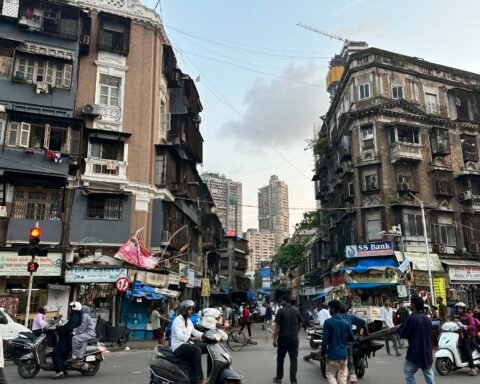
9:05 AM | Beginning the Journey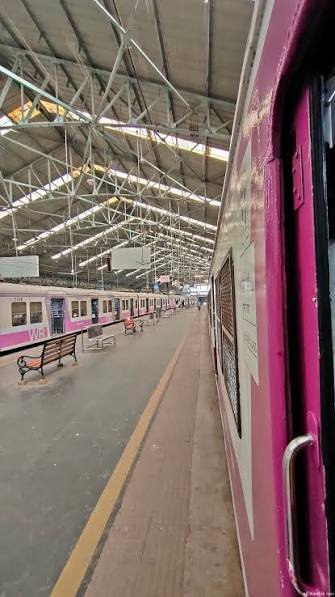
It was a bright and sunny morning, much like any other. As I got ready for work, I mentally mapped out the day ahead.
Like millions of fellow Mumbaikars, my day begins with the Mumbai Local.
I left home early to catch the 9:45 a.m. Churchgate slow train.
During the commute, as the city moved around me, I settled into my usual commute ritual: listening to gentle music and taking a quiet moment to reflect on the children and families we serve.
I work as a Project Coordinator at Prerana’s Night Care Center, located in the heart of Mumbai’s red-light district–Kamathipura. This June, I am celebrating a milestone: 10 years of service with Prerana.
Our Night Care Centre (NCC) sits on the bustling 9th Lane, surrounded by crowded vegetable and fish markets, narrow alleys, and the relentless hum of people going about their daily lives.
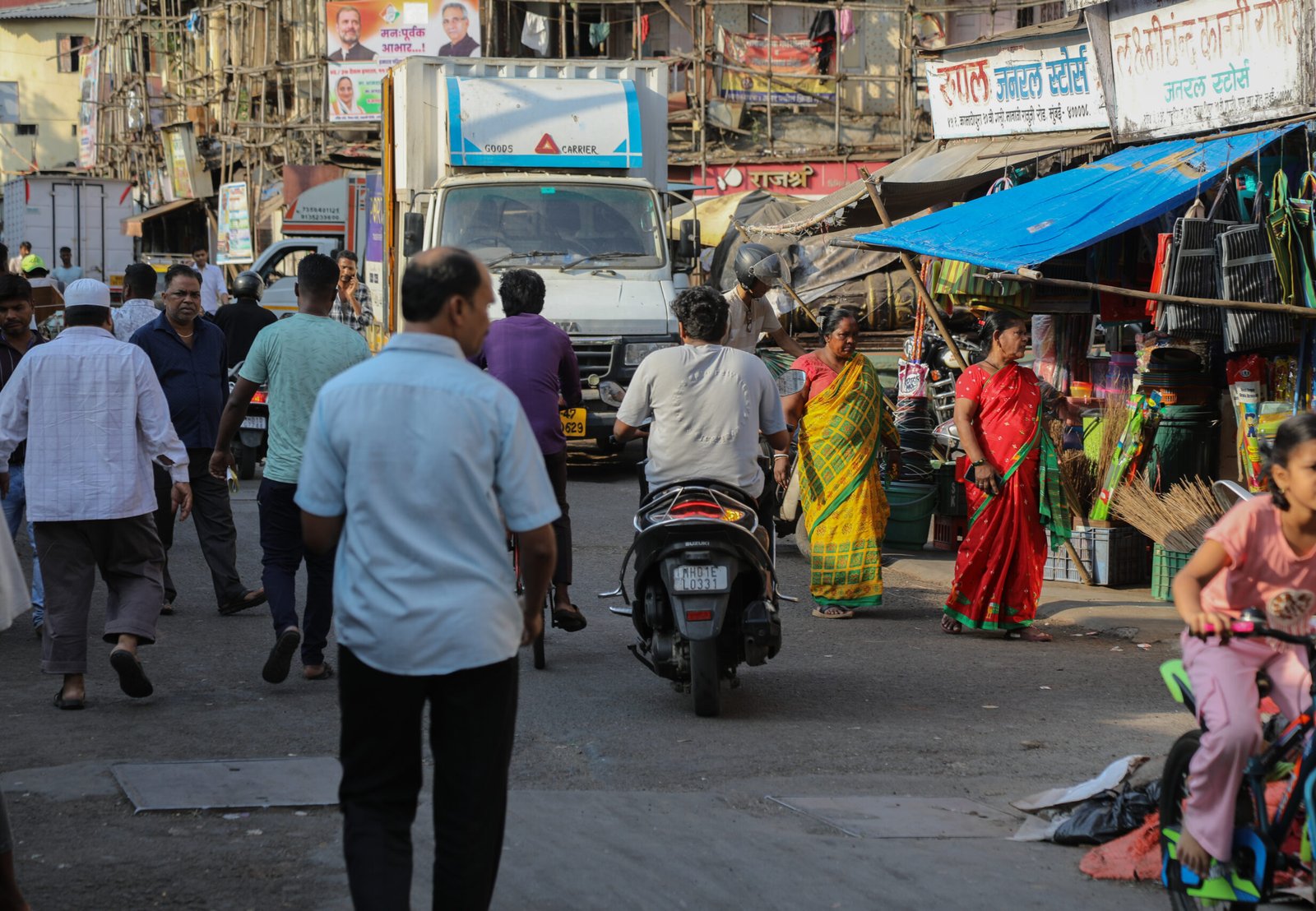 10:20 AM | Entering the Community
I arrived at Mumbai Central station, followed by a familiar 10-minute walk to the NCC. Walking through the streets of Kamathipura always feels like the true start of my workday. The community knows us well, and my walks are regularly punctuated by greetings from the local women and children.
As I turned down Shuklaji Street, I ran into Renuka (name changed). I paused to ask how she was doing. She smiled, told me all was well, and mentioned she was on her way to buy groceries. While these brief encounters seem casual on the surface, they are vital; they keep us deeply rooted in the community and give us an intuitive pulse on how families are coping.
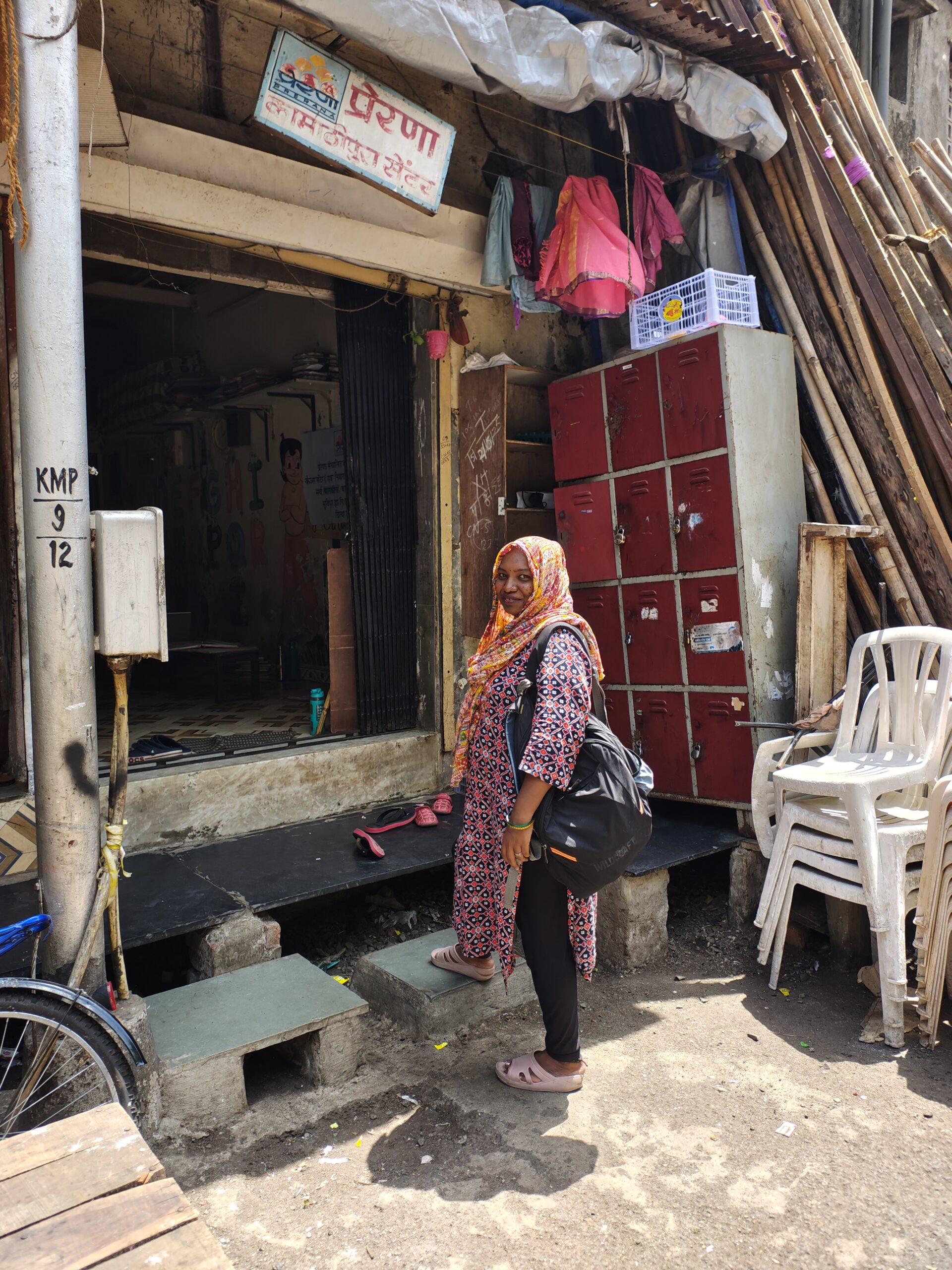
10:30 AM | Arriving at the Center
When I reached the centre, my colleagues Chhaya Tai and Neelima Tai were already hard at work. After a quick greeting and a glass of water, I settled in to review our agenda.
Space is a luxury in the red-light district. Like every other building here, our Center is quite cramped. We don’t have separate offices for administrative work, so we sit together on the floor to manage our daily tasks.
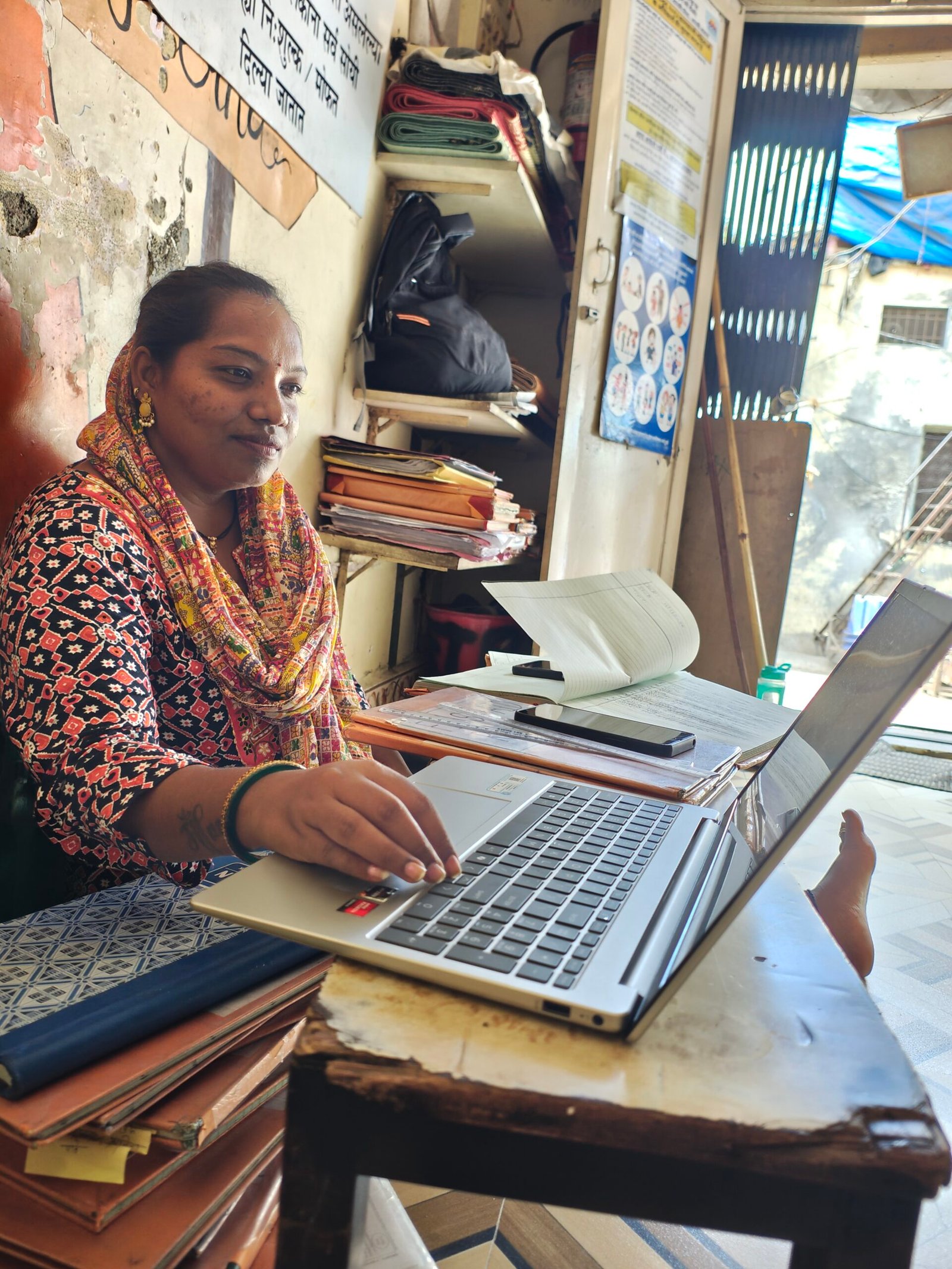 My checklist for the day was full:
- Conducting community outreach.
- Visiting a local municipal school.
- Updating programme data in our master database.
- Ensuring that all assigned NCC records were accurately entered into the registers.
- Following up with five mothers regarding their daughters’ Sukanya Samriddhi Yojana savings accounts.
- Coordinating scheduled counseling sessions of children and mothers with our in-house Counsellor.
- Wrapping up pending accounts-related tasks.
Before I could begin the paperwork, Chhaya Tai mentioned that our in-house counsellor, Ms. Manasi Gohil, wanted to see Roja(name changed) and her daughter, Sara(name changed), for a session later that day. I quickly finished my data entry work so I could call Roja, requesting that she bring Sara to the Center by 1 PM.
11:00 AM | The Center Comes Alive
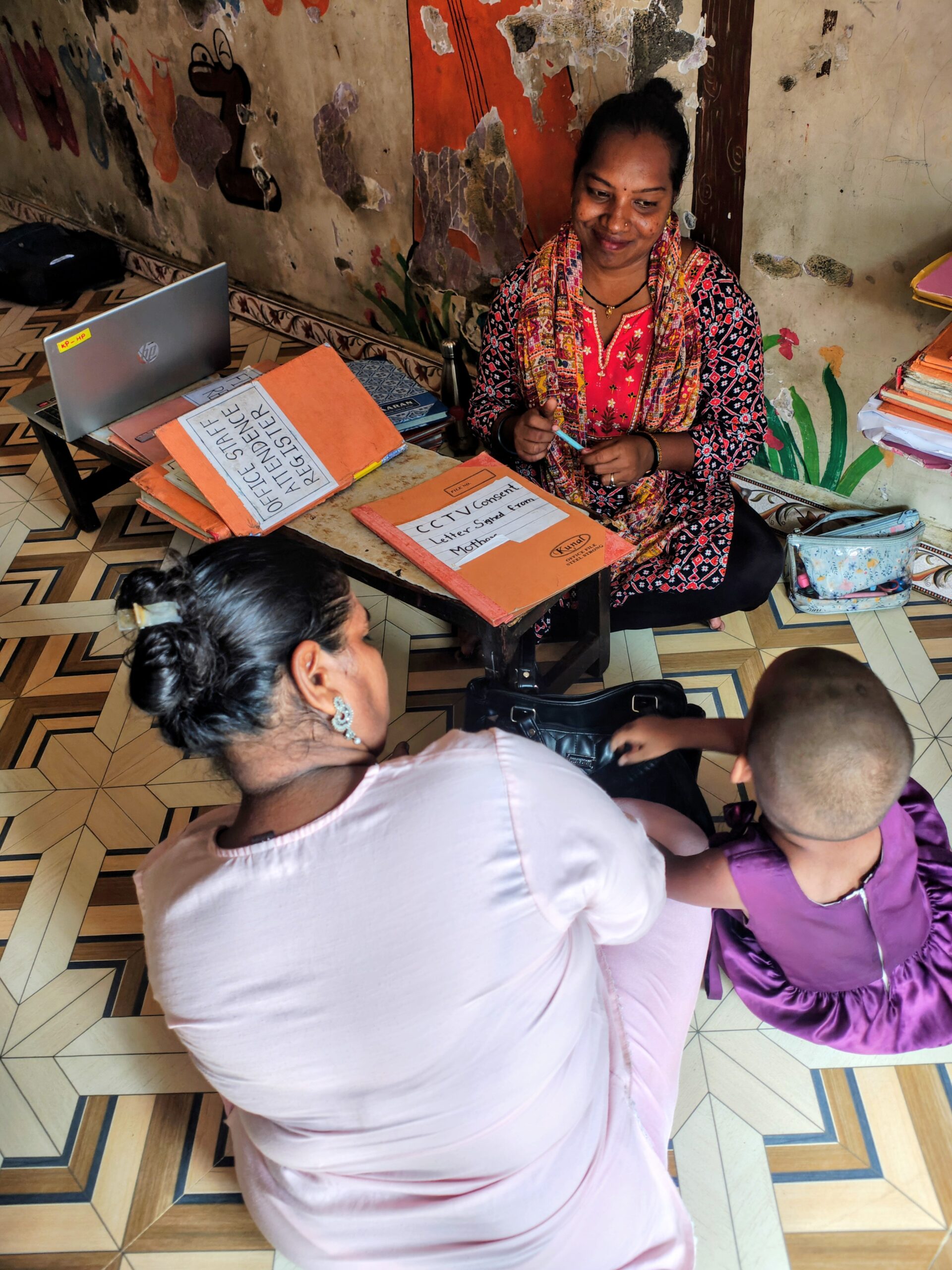
As the morning progressed, I continued working through my task list. Like most days, the centre soon became busy with visitors.
Women from the community dropped in throughout the morning. Some wanted to speak with me regarding issues affecting their children. Others sought Neelima Tai’s assistance with ration cards and other government documents. A few mothers were eager to learn more about the residential camp being organised for children and approached Chaya Tai for details.
This constant flow of people is what makes the NCC unique. No two days are ever the same. While we begin the day with a schedule, we must always be prepared to respond to unexpected needs and emergencies.
 11:30 AM | Preparing for Counselling Sessions
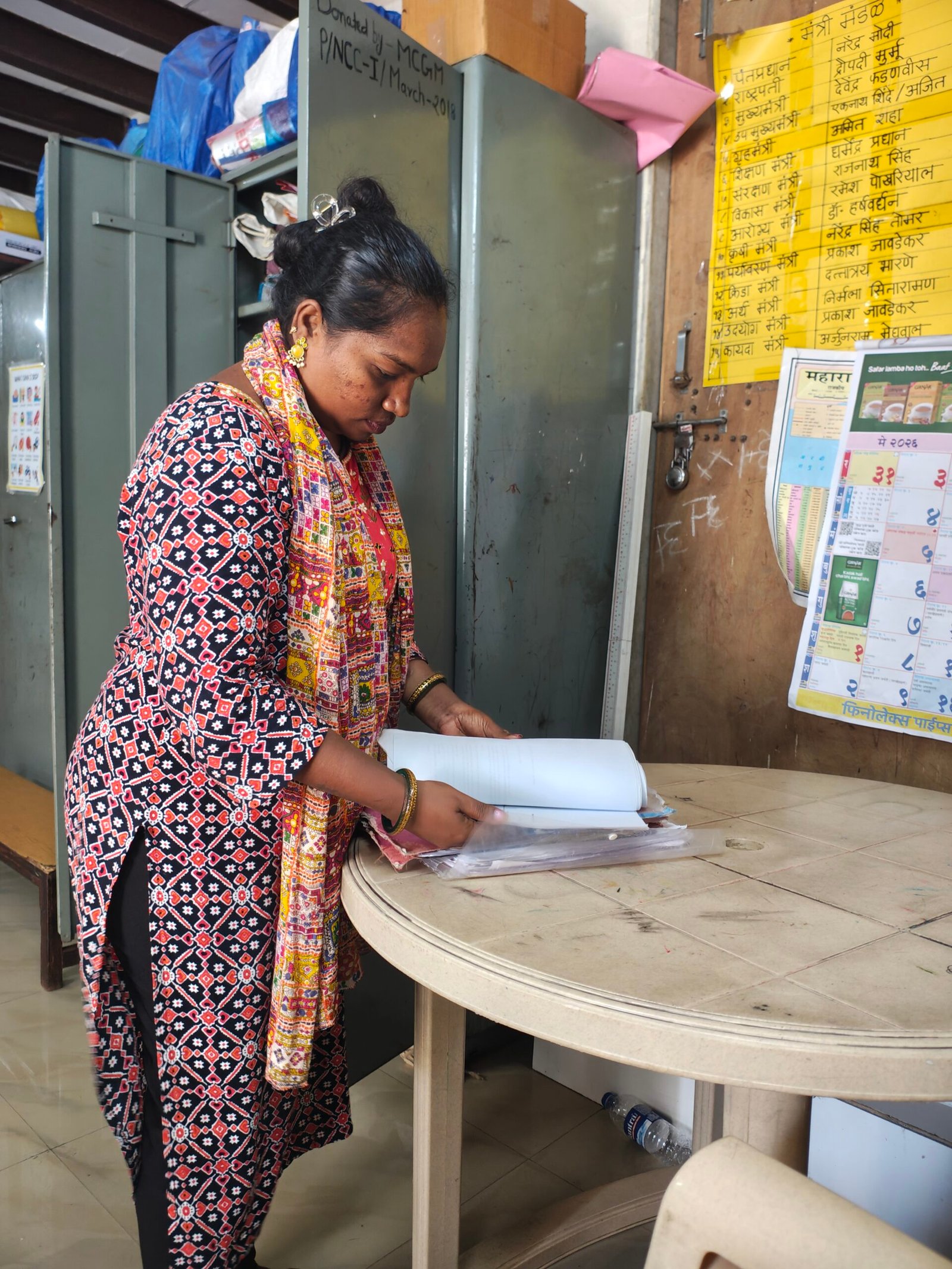
By mid-morning, our Counsellor, Ms. Manasi had arrived. Together, we reviewed the day’s counseling schedule, pulling files and arranging them in order so she could reference their case histories and past interventions.
These preparations are routine, but they are never mechanical. We are acutely aware that behind every file folder is a child, a mother, or a family navigating profound challenges. Keeping this data organized is our way of ensuring they get the focused, meaningful support they deserve.
By noon, the centre was buzzing. The day was in full swing, and everything was going precisely according to plan.
12:30 PM | An Ordinary Day Takes an Unexpected Turn
At around 12:30 PM, I watched Roja walk into the counsellor’s room to meet the Counsellor.
About half an hour later, I received a phone call from Roja. She was crying uncontrollably. Through her heavy sobs, I could barely understand her words. The only thing I could clearly make out was her repeatedly pleading with me to come immediately to her brothel because something terrible had happened to Sara.
1:00 PM to 7:00 PM – Crisis Response
I immediately informed Chhaya Tai, and we rushed to the 14th Lane where Roja lived.
When we reached the brothel, we learned that Sara had been sexually assaulted by Roja’s Admi (the man she lived with, whom Sara addressed as her father) while Roja was away at the Prerana Centre. Women from neighboring brothels had already gathered around the accused, physically blocking him from leaving the premises.
The atmosphere was incredibly tense and emotionally charged. Roja was distraught, struggling to process the trauma. Our primary responsibility was to provide immediate emotional support while ensuring the safety of both mother and child.
Chhaya Tai and I maintained a calm, reassuring presence. We listened intently, allowing Roja to express her fear, anger, guilt, and confusion without interruption or judgment. We paid close attention not only to her words but also to her body language and emotional state. Simultaneously, we conducted a rapid risk assessment to determine if there were any immediate threats to their ongoing safety.
We learned from Roja that it was her Gharwali (brothel keeper) who had originally alerted her. The gharwali had observed suspicious behaviour involving Sara and the accused and immediately called Roja, prompting her to abruptly leave her counselling session and rush back.
After assessing the situation and speaking gently with Sara and the Gharwali, we focused on helping Roja understand her options. Chhaya Tai explained the legal procedures involved, including notifying the police, filing a First Information Report (FIR), the mandatory medical examination Sara would need to undergo, and the eventual presentation of the case before the Child Welfare Committee (CWC). Most importantly, we assured her that she would not have to walk through this process alone.
Gradually, Roja began to regain her composure. Despite her deep distress, she showed remarkable courage. She attempted to call the police helpline herself but was unable to get through in her panic. I stepped in, reassured her, and contacted the police directly to report the incident.
Within ten minutes, two police officers arrived at the scene and apprehended the accused.
Roja, along with Sara and the gharwali, who was a witness to the incident, were taken to Nagpada Police Station. I assured Roja that Chhaya Tai and I would accompany her throughout the process. She was visibly relieved to know that we would remain by her side, and we stayed with her and Sara throughout the reporting and legal procedures.
Navigating the Legal System
At Nagpada Police Station, we found the officer on duty patiently explaining the complaint-registration process to Roja. By then, she had gathered the strength to speak clearly and confidently. She informed the officer that she wished to proceed with lodging a formal complaint.
After her statement was recorded, the officer discussed the available protection measures for Sara and asked whether Roja wished to place her daughter in a children’s home for temporary safety. Roja expressed confidence in her ability to care for and protect Sara and chose to keep her daughter with her. Chhaya tai and I explained to Sara that in the near future, the police will be reporting the incident to the CWC, and the CWC might ask to meet her and Roja. Sara nodded her head!
As part of the legal procedure, Sara was required to undergo a medical examination. The police requested our assistance in supporting the child and her mother through the process, and we remained with them throughout.
The hours passed quickly as one procedure led to another. By the time everything had been completed, it was already evening.
7:15 PM | Heading Home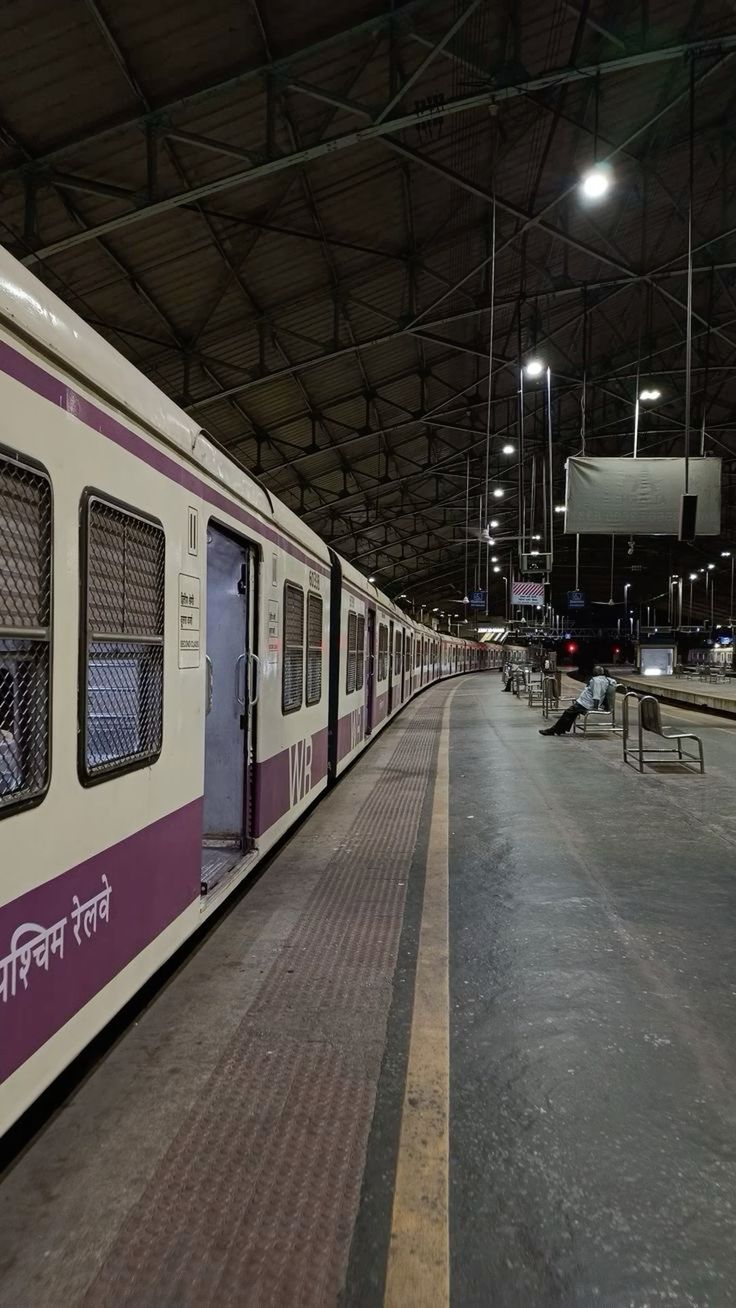
Before leaving, I wanted to be certain that Roja felt safe and understood the next steps ahead of her. Once I was confident that she and Sara had the support they needed, Chhaya Tai and I finally left.
Only then did I realise that none of us had eaten lunch. The urgency of the situation had pushed everything else aside. At the police station, we managed two cups of tea and a few biscuits.
It was late. Chhaya Tai, who lives in Virar, began her long journey home, while I made my way towards the railway station.
I was physically tired, but it was the emotional weight of the day that stayed with me.
As I walked towards the station, I kept thinking about Sara and the many other children whose lives are shaped by circumstances beyond their control. I thought about women like Roja, who battle enormous challenges every day to keep their children safe and secure, yet continue to face risks that no parent should ever have to confront.
Days like these remind me that child protection is not just about responding to crises. It is about strengthening families, building safer communities, and ensuring that every child has someone willing to stand beside them when they are most vulnerable.
There is still so much more to be done. Every child deserves to feel safe, protected, and valued. Every mother deserves access to the support she needs to keep her children safe.
Standing in the crowded train on my journey home, I put on my earphones and listened to some soothing music. It was a small moment of quiet after an emotionally overwhelming day.
Tomorrow would bring another day, another set of challenges, and another opportunity to make a difference in the lives of children and families who need support the most.