

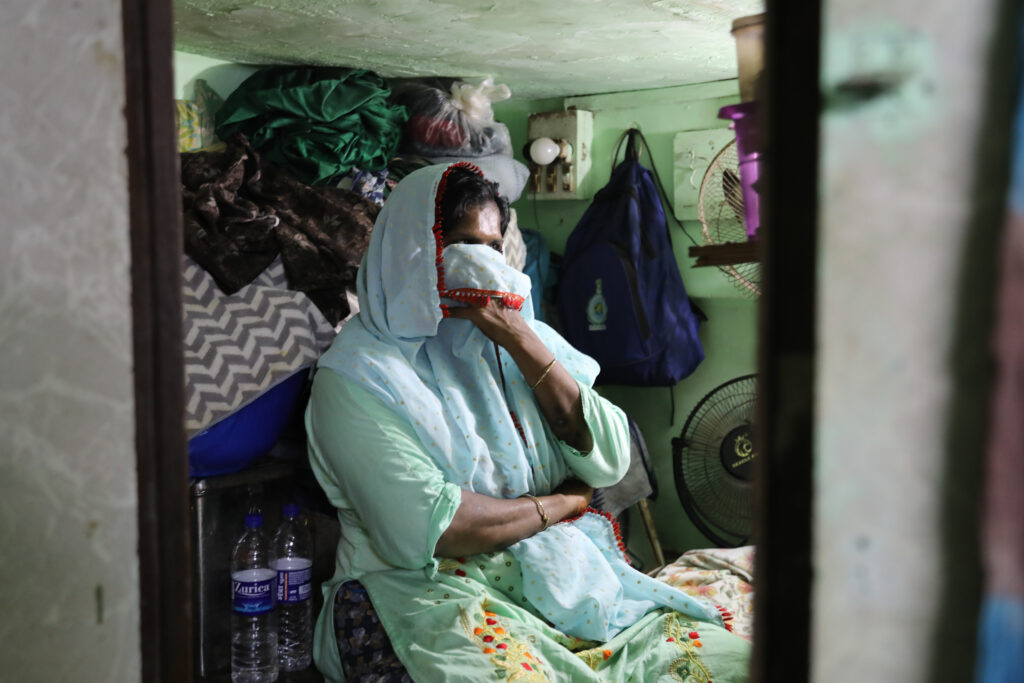
In May 2026, Meghana Sakore, the Minister of State for Women and Child Welfare, announced that approximately 54 lakh single women have been identified in Maharashtra, with numbers expected to rise as the government survey concludes. In response, the Government of Maharashtra has formed a committee to draft a dedicated policy for single women.
While this is a commendable and highly necessary step, a critical question remains:
Will this policy meaningfully include women trafficked into the sex trade who are single, abandoned, or entirely without family support?
📑The Paperwork Trap: Bureaucracy vs. Lived Reality
Historically, welfare and pension schemes have fragmented the category of “single women” into rigid, conventional silos:
- Widows
- Divorced women
- Deserted women
- Separated women
Access to these benefits is strictly conditional upon producing documentary proof of status. However, for women trafficked into the sex trade, such documentation is often unavailable, inaccessible, or impossible to obtain.
This marginalized group includes both women from Maharashtra and those trafficked into the state from across India. Many have been trapped in commercial sexual exploitation for 15 to 20+ years, now falling into the category of senior citizens. Others, rescued under the Immoral Traffic (Prevention) Act, 1956, continue to reside in Protective Homes or rehabilitation institutions.
🛡️Severe Exclusion From Social Protection Systems
Over decades, these victims have faced systemic exclusion. Most do not possess:
- Marriage certificates or divorce decrees
- Documentation related to separation or abandonment
- Proof of residence or family linkage documents
In a system that routinely demands conventional records, what documentation will these women be expected to produce to access the new policy’s benefits? Will the policy acknowledge the lived realities of women whose lives do not fit neatly into archaic bureaucratic categories?
🌱Four Decades of Grassroots Evidence
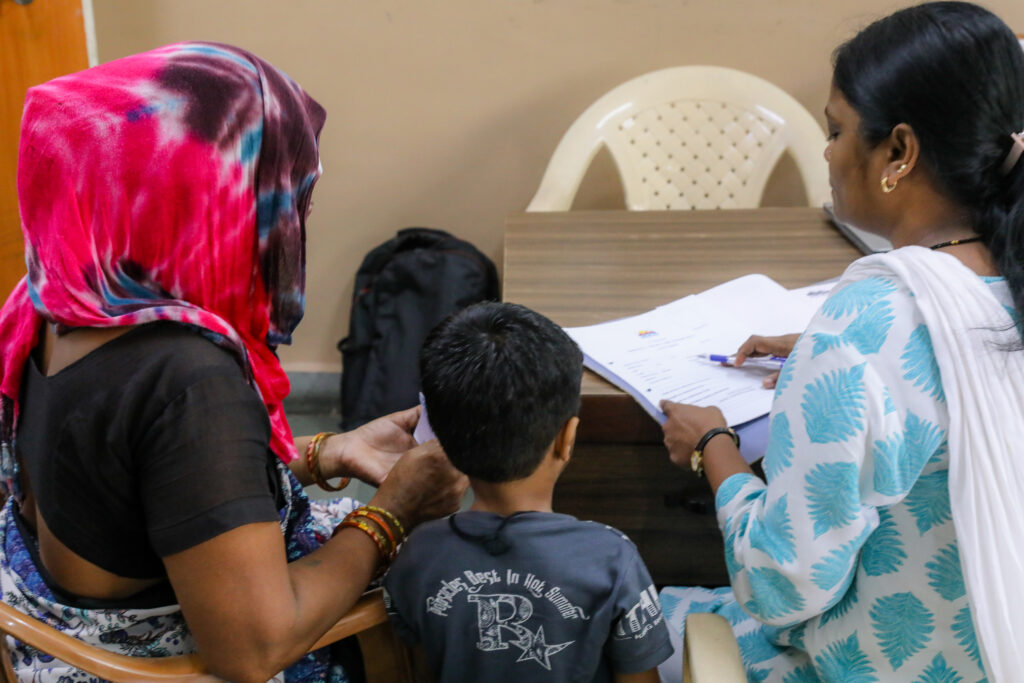
This concern is not theoretical. It is firmly rooted in Prerana’s four decades of institutional experience working directly with women in the sex trade, victims of sex trafficking, and their children.
Securing basic identity documents and social security benefits for these families has consistently been an arduous, exhausting process.
The systemic exclusion ripples down to the next generation. Children of the victims are frequently locked out of vital welfare schemes like the Kranti Jyoti Savitribai Phule Balsangopan Yojana.
Even obtaining ‘orphan’ certificates for these children has become nearly impossible because authorities rigidly insist on a father’s death certificate. The harsh reality of the sex trade means that many children do not know their fathers, and many women cannot identify them due to the nature of sexual violence.
💡The Path Forward: A Reality-Based Policy
Justice demands that the State adopts an inclusive, sensitive, and reality-based approach from the very inception of drafting this policy.
If the Policy for Single Women is to truly uphold dignity, equality, and social justice, it must:
- Recognize the lived realities of women trafficked into the sex trade—including unmarried single women, abandoned women, and the elderly among them.
- Proactively dismantle and find solutions to the documentation barriers that have historically denied them access to welfare.
We urge the committee and leadership to ensure that this policy becomes a beacon of true social justice, leaving no vulnerable woman behind.






Follow